
Biotests in ecotoxicology
Effects of substances on the environment
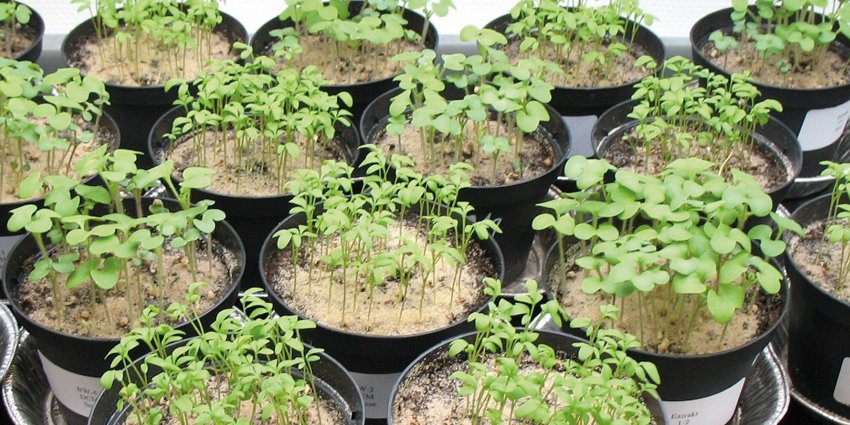
Biological tests are key instruments for assessing the effects of substances. Unlike chemical analyses, which measure individual substances, they measure the totality of biological effects.
They therefore provide the practical data required for risk assessment in accordance with the EU REACH Regulation and for classifying waste according to HP14.
Model organisms and endpoints in biotests show effects at ecological levels:
- Luminous bacteria (Vibrio fischeri): bioluminescence
- Green algae (Scenedesmus subspicatus): fluorescence and biomass changes
- Duckweed (Lemna sp.): growth
- Water fleas (Daphnia magna): mobility and reproduction
- Fish eggs (Danio rerio): development and mortality
Acute vs. chronic effects
Acute biotests show short-term effects such as mortality rates, while chronic tests reflect longer-term endpoints such as reproduction or growth. A key measure for toxi-
city assessment is the EC₅₀ value: the concentration of a substance at which 50% of the maximum biological effect is achieved. It is determined using dose-response curves. The lower the EC₅₀ value, the higher the toxicity.
Significance
Biotests make it possible to reveal real hazards that often remain hidden when assessed purely analytically. They combine laboratory results with ecological reality and provide a crucial basis for regulation and environmental management.