
Heat planning – a municipal control instrument
Shaping the future through regional heat supply
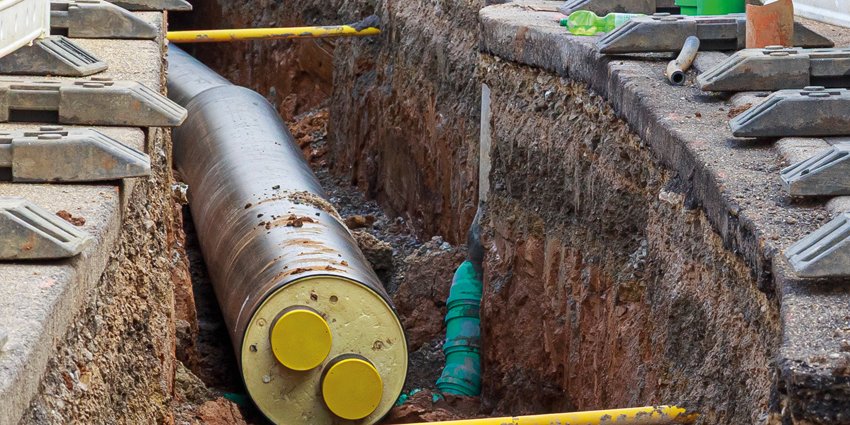
Since 2024, the creation of a municipal heating plan has been a legal requirement, presenting a significant opportunity for municipalities to actively shape their energy future, set concrete climate targets and, at the same time, open up new economic prospects.
The federal government is supporting the states with financial resources to ease the burden on municipalities. In Bavaria, the State Office for Weights and Measures has been responsible for compensation payments since 2 January 2025.
The heating plans financed in this way are strategic planning instruments that specify climate targets and open up new economic prospects. They highlight opportunities for expanding and developing local heating networks, making more comprehensive use of renewable energies and waste heat, and achieving efficient energy savings. They describe comprehensive ways to shape the future of local heat supply, including for decentralised or individual building solutions. Moderated workshops and expert discussions bring together administrators, politicians, business leaders, and members of civil society. This multiplies expertise and creates important impetus for broad commitment – the best foundation for sustainable measures.
Participation in energy companies
Participation in energy companies is particularly important for developing infrastructure, as it enables significant influence over local infrastructure development and important decisions regarding the future attractiveness of the location. The results of heat planning can inform this decision-making process. An informed approach gives local authorities the opportunity to use local energy sources, involve regional businesses and increase their own revenues through participation in energy companies. This creates jobs and added value in the region, while maintaining a stable municipal budget.
We support local authorities in all phases – from analysis and the successful involvement of relevant stakeholders to methodological design. With scientific expertise and practical experience in energy consulting and adaptation management, we make heat planning a relevant lever for climate protection, resilience and municipal sustainability.
Deadlines for municipal heat plans according to the Heat Planning Act:
2028 up to 100,000 inhabitants
2026 larger municipalities
Processing time 12–18 months