
Climate Balance 2025: Why a consistent transition is the key to greater resilience
The latest carbon footprint data from the Federal Environment Agency show that Germany’s emissions have fallen only slightly in recent times – yet the 2030 climate targets are still expected to be achievable. For bifa, this sends a clear message: progress is possible, but only through consistent and long-term transformation.
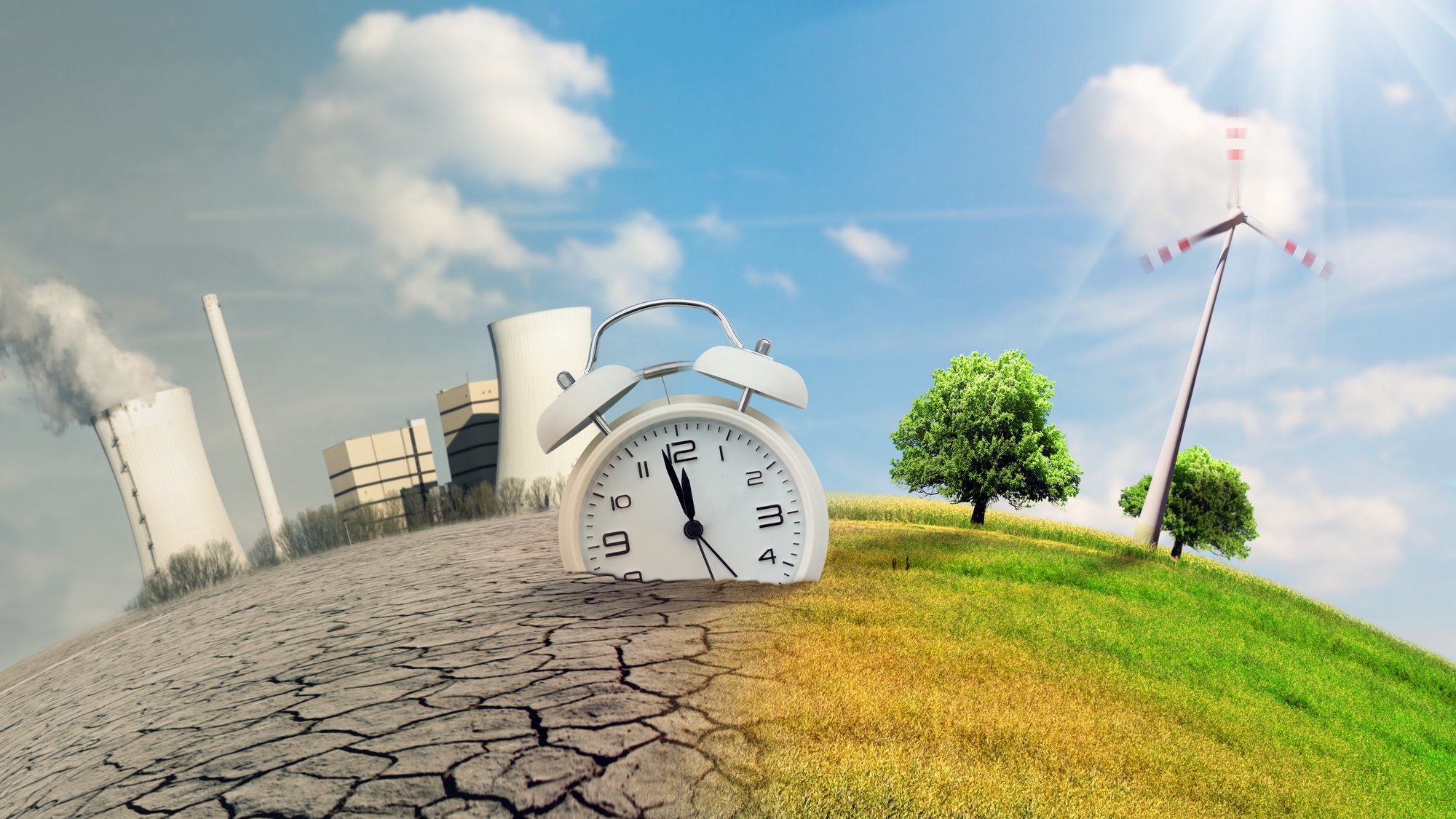
In practice, sustainability and resilience goals have often been put on hold in favour of short-term relief. However, experience from applied research at bifa shows that this does not reduce risks – it exacerbates them. Postponing environmental and resource-related measures does not lead to sustainable relief. Instead, new vulnerabilities arise or existing risks are further exacerbated.
Current geopolitical developments are bringing these vulnerabilities to light. Rising energy prices, uncertain raw material supplies and fragile supply chains are once again putting our society under pressure. These developments are not new. They follow familiar patterns that become particularly evident whenever structural dependencies – especially on fossil fuels and global imports – have not been consistently reduced.
Shift in the public debate
The public debate also shows how dynamically priorities are shifting:
Whilst there has recently been increased debate about the end of the combustion engine, the issue of security of supply is now coming to the fore once again. At the same time, dependence on fossil fuels is becoming apparent once more – and with it the need to consistently develop alternative and sustainable solutions, for example in the field of electromobility.
bifa’s approach: integrated, long-term, practical
bifa pursues a clear approach: resilience arises from a long-term and integrated perspective. Ecological, resource-related and economic aspects must be considered together and translated into concrete measures. As an application-oriented research institute, bifa supports companies and public sector actors in analysing precisely these interrelationships and developing viable strategies. The aim is to make systems not only more efficient, but above all more robust and sustainable.
Conclusion
Resilience is not achieved through procrastination, but through consistent action