
MaKoSaTex
Municipal strategies for sustainable used textile collection
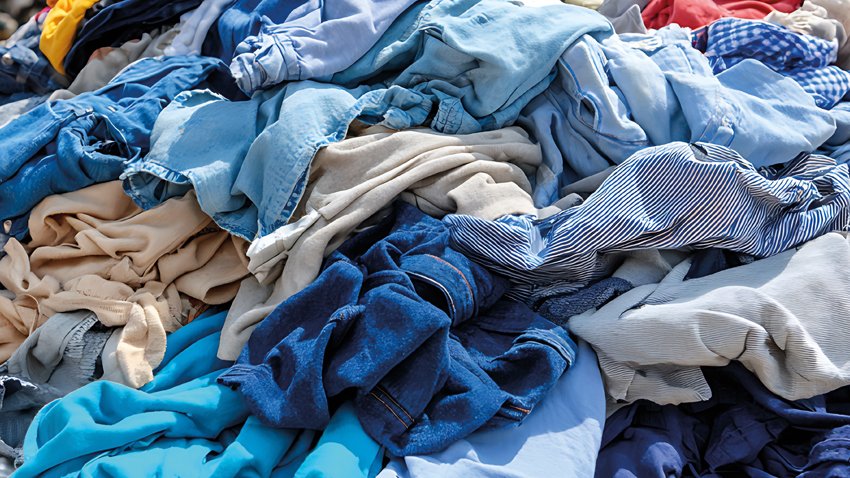
In the MaKoSaTex project, the bifa Environmental Institute is working with the Technical University of Augsburg (THA) to develop specific recommendations for Bavarian municipalities on the collection and recycling of used textiles.
The project is being carried out on behalf of the Bavarian State Ministry of the Environment and Consumer Protection (StMUV) and is linked to the Bavarian Circular Economy Strategy (BayKWS).
The reason for this is a profound change in the market and system
While the separate collection of used textiles has long been considered a successful model in Germany, fast fashion, declining quality and increasing quantities are increasingly leading to economic and technical challenges. Since 1 January 2025, public waste disposal authorities have been obliged to collect used textiles separately across the board. The planned introduction of extended producer responsibility (EPR) further increases the strategic pressure to act.
MaKoSaTex is therefore systematically analysing the current situation in Bavaria: challenges facing public waste disposal authorities, market and material flow developments, and national and international EPR models. This is based on a survey of all Bavarian public waste disposal authorities and interviews with stakeholders in the textile value chain. This identifies key problem areas – from quality losses and a lack of recycling capacity to financing risks and acceptance issues.
In a moderated dialogue process with local authorities and practitioners, practical and economically viable measures are developed on this basis. In addition, ecological potential, particularly for greenhouse gas and resource savings, is assessed. The aim is to achieve sustainable municipal waste textile collection in Bavaria.